

Most people think of chimney work as a once-a-year sweep. But the chimney service Hazlet homeowners actually need often goes well beyond brushing out soot. Homes along the Raritan Bay deal with wind, salt air, and driving rain. Many local houses were also built decades ago and have since switched heating systems. Both of these put extra stress on a chimney. This guide covers the repairs and upgrades that keep a Hazlet chimney safe and dry, the warning signs that call for them, and how to choose the right company for the job.

Why Chimneys in Hazlet Take a Beating
Hazlet sits on the Monmouth County Bayshore, where storms come in off the water with little to slow them down. Hurricane Sandy showed how hard this stretch of the coast can be hit, and even ordinary nor’easters push rain sideways into brick and mortar. Moisture is the number one enemy of a masonry chimney. Water soaks into brick, freezes in winter, and expands. Over a few seasons, that freeze-thaw cycle cracks mortar joints, loosens bricks, and lets even more water in.
Age plays a part too. Many Hazlet neighborhoods were built during the postwar housing boom, which means plenty of chimneys have original clay liners and mortar that have been through more than half a century of weather.
Chimney Caps and Crowns: The First Line of Defense
A chimney cap is the metal cover on top of the flue. It keeps out rain, leaves, birds, and squirrels, and its mesh screen stops sparks from landing on the roof. Caps rust, blow loose in high winds, or were never installed at all. Replacing a missing or damaged cap is one of the least expensive ways to prevent costly water damage.
The crown is the concrete or mortar slab that covers the top of the masonry around the flue. It is meant to shed water away from the chimney. When a crown cracks, water runs straight down into the brickwork. A chimney professional can seal small cracks or rebuild a crown that is too far gone.
Leak Repair, Flashing, and Waterproofing
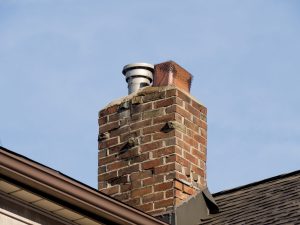
A water stain on the ceiling or wall next to the chimney is often blamed on the roof. In many cases the real source is the chimney. Common causes include:
- Failed flashing, the metal strips that seal the joint between the chimney and the roof
- Crumbling mortar joints that let rain soak into the masonry
- Porous brick that absorbs water like a sponge during wind-driven storms
- A missing cap or cracked crown, as described above
Repairs can include new flashing, repointing (replacing worn mortar), and replacing damaged bricks. Once the masonry is sound, a breathable, vapor-permeable water repellent can be applied. Unlike paint or ordinary sealers, it keeps rain out while still letting moisture inside the brick escape. For chimneys exposed to bay weather, waterproofing can add years to the life of the masonry.
Chimney Relining After a Heating Upgrade
Your chimney may vent more than a fireplace. In many homes it also vents the furnace, boiler, or water heater. When a home converts from oil to natural gas, or installs a new high-efficiency system, the existing flue may no longer be the right fit.
Gas appliances produce cooler exhaust that contains a lot of water vapor. In an oversized or unlined masonry flue, that vapor condenses into acidic moisture that eats away at clay tiles and mortar. An undersized or damaged flue can also cause poor draft, which risks carbon monoxide backing up into the house. A stainless steel liner sized to the appliance solves both problems. If you have recently changed heating systems, ask your chimney service in Hazlet to check that the flue matches the new equipment.
Dryer Vent Cleaning: The Vent People Forget
Your chimney is not the only vent in the house that needs attention. Dryer vents rarely get a second thought, yet they belong on every home safety checklist. Lint is highly flammable, and it builds up in the duct well past the lint trap. Signs that a dryer vent needs cleaning include clothes taking more than one cycle to dry, a dryer that feels very hot to the touch, or a burning smell during use. Long vent runs, upstairs laundry rooms, and vents with several bends clog the fastest. Clean the lint trap after every load, and have the full vent professionally cleaned about once a year, or sooner if you notice any of these signs.
How to Choose a Chimney Service in Hazlet

Not every company that cleans chimneys is equipped to repair them. Before hiring, ask:
- Are your technicians certified? Look for credentials from the Chimney Safety Institute of America (CSIA) or the National Fireplace Institute (NFI).
- Are you insured? Chimney work happens on the roof, so make sure the company carries liability insurance and workers’ compensation.
- Will I get a written report with photos? A good company shows you the problem rather than just telling you about it.
- Do you handle repairs and liners as well as cleaning? One company for the whole system means fewer appointments and one point of contact.
For homeowners in Hazlet and across Ocean and Monmouth counties, Baron’s Chimney Service is a CSIA-certified chimney sweep offering chimney inspections and cleaning, liner installation and replacement, cap and damper installation, masonry and crown repair, and chimney waterproofing. Call (732) 370-9390 before the heating season begins for the best chance of getting the appointment time you want.
Frequently Asked Questions About Chimney Service Hazlet
How often does a chimney need service?
The National Fire Protection Association’s standard, NFPA 211, recommends that chimneys, fireplaces, and vents be inspected at least once a year. Cleaning and repairs are then done as needed based on what the inspection finds.
Do gas fireplaces and furnace chimneys need service too?
Yes. Gas does not create creosote the way wood does, but gas flues can still be blocked by nests or debris and damaged by condensation. An annual check confirms that exhaust, including carbon monoxide, is venting safely.
When is the best time to schedule chimney service?
Late spring and summer are ideal. The chimney has stopped being used for the season, repair work is easier in good weather, and companies are less booked than they are in the fall rush.
Can a leaking chimney be fixed without rebuilding it?
Usually. Most leaks come from flashing, the crown, the cap, or worn mortar, and these can be repaired individually. A full rebuild is generally only needed when the masonry has deteriorated badly or the chimney is leaning.
Protect Your Home with Professional Chimney Service in Hazlet
A chimney does a lot of quiet work, from venting your fireplace to carrying exhaust away from your furnace and water heater. Bayshore weather and years of use slowly wear it down, often in places you cannot see from the ground. Staying ahead of caps, crowns, leaks, and liners costs far less than repairing water damage or replacing a failed chimney. Schedule chimney service Hazlet before small problems become big ones, and your home will stay safer and drier for years to come.